

Table of Contents
- Choose Skills Students Can Demonstrate Privately
- Connect Breathing and Attention to the Next School Task
- Make Student Choice Clear Before Practice Begins
- Give Parents a Way In Beyond an Evening Meeting
- Pack a Workshop Kit Another Adult Can Use
- Keep Classroom and Home Instructions Together
- Put the Routine Into a Twelve-Minute Advisory
Fit Stress-Management Practice Into School and Home
A student may need a usable routine between a demanding lesson and the next assignment. At home, a parent may be leaving for work just as homework begins. A high school stress-management workshop needs to fit both schedules: something students can practice during the school day, with a home version caregivers can access around work, transport, and family responsibilities.
Start with a usable skill, find room for it in an existing period, establish participation choices, and offer a parallel home activity. That order keeps the planning grounded. A brief advisory slot calls for a focused routine; an evening meeting should remain one route for families to learn it.
The plan below offers adaptable scripts, materials, and timing. Keep the classroom activity small enough to repeat when the next ordinary school task arrives.
Choose Skills Students Can Demonstrate Privately
Write the objective before choosing activities: students can try comfortable breathing, use an attention reset, and identify a situation in which they might choose either routine. These actions give the facilitator something concrete to teach.
Keep completion separate from a reported mood change. A student can follow the chair-and-object steps and privately select homework as a future use, without explaining anything about personal stress. Observation remains a participation choice, too.
These workshops teach everyday coping skills rather than diagnose or treat mental health conditions.
Before delivery, assign responsibility for facilitating, distributing family materials, and handling private follow-up. An adult may cover more than one role, but name the follow-up contact in advance. That person gives students a clear route for a conversation outside the group activity.
Connect Breathing and Attention to the Next School Task
The sequence should answer the questions a student might bring to the room: What are we doing? What does it look like? How could I use it before my next assignment?
- Explain the purpose. Introduce a short routine students can choose before starting a task.
- Demonstrate. Sit comfortably and show the steps while describing them aloud.
- Invite practice. Offer gentle breathing, observation, or the outward-focused routine.
- Connect it to schoolwork. Point to a concrete action, such as reading the first assignment instruction.
- Close with a private choice. Let students decide whether and when they would use either routine.
Keep breathing gentle and ordinary
Ask students to sit comfortably and notice three to five ordinary breaths. Keep breathing gentle and unforced. If comfortable, they can allow a slightly slower pace, with the out-breath running a little longer than usual. Ordinary breathing remains available throughout. Leave out breath holds, competitive counting, and unusually large breaths.
Give attention an outward landing place
For the outward-focused option, invite students to feel the chair supporting them, find a neutral object such as a clock or window frame, and return attention to the next task. The ending matters: open the correct page, read the first instruction, or set out the needed materials.
Place this sequence at the opening of a health lesson, during advisory, or at the transition into independent work.
Make Student Choice Clear Before Practice Begins
Announce the choices before demonstrating: students may practice, observe, or use the outward focus. They may keep their eyes open. Say this to the whole room so each option belongs to everyone.
A student can look at the same card as classmates while choosing a different routine. Avoid a show of hands or a request to explain that choice publicly.
Stop for Discomfort
Say aloud before practice: “If you feel dizzy or uncomfortable, stop and just breathe normally.”
Confirm the private follow-up route with the named school contact before delivery. Agree on how a request reaches them and the expected response window during the school day. Put those directions on the materials and mention them aloud, so students can act without approaching the facilitator in front of classmates.
Give Parents a Way In Beyond an Evening Meeting
An evening invitation can arrive at exactly the wrong time for a parent working a late shift, catching a bus, or settling a younger child. Build access around the skill itself.
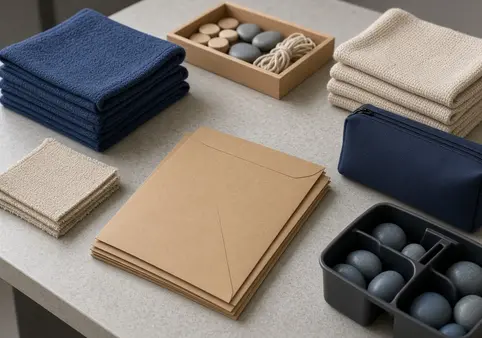
Offer a brief live session, a printed practice card, and an optional short audio demonstration. A live session of about 15–20 minutes could run in different time windows, such as near the start of school and at midday. The audio can take about 2–3 minutes and follow the printed instructions exactly.
Send the invitation through the usual family communication channel before the classroom session. Keep the wording direct:
“Students will try a short breathing and attention routine during advisory. You can learn the same steps through a brief live session, a printed card, or an optional audio demonstration. The live session takes about 15–20 minutes.”
Use plain language in the family materials and request translations through the school’s usual language-support process. At home, offer this opening: “Would you like me to do it with you, remind you later, or leave you to it?” The teen gets a choice about company as well as practice.
Pack a Workshop Kit Another Adult Can Use
Build the folder so another prepared adult can pick it up and follow the session. Include:
- A facilitator script with the choice language and stop instruction.
- A timer visible to the room.
- Printed practice cards.
- Accessible written directions, paired with spoken instructions.
- The parent invitation and matching home activity.
- Private follow-up contact instructions.
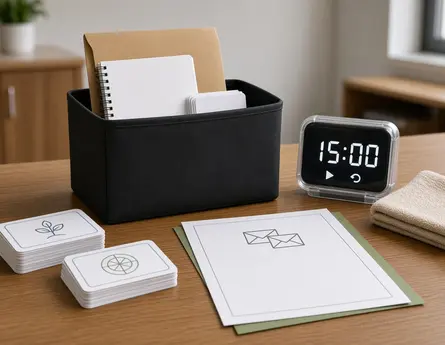
Print Both Choices
Place the breathing instructions beside the chair-and-object routine on the same handout. Students can choose discreetly without requesting another sheet.
Use a plain sans-serif font at 14–16 point for written directions. Rehearse the full sequence in the actual room and class slot, timing transitions separately from the instructions. Card distribution and settling into seats need room in the plan.
Review usability with optional, unnamed questions about instruction clarity, comfort with the choices, and which routine students would repeat. Ask parents which format they accessed and what made the directions easier or harder to use. Record changes as planning decisions: shorten a confusing sentence, distribute cards before the bell, or add a printed family copy.
Keep Classroom and Home Instructions Together
Make repetition easy: teach a repeatable action, provide a comfortable alternative, protect private follow-up, offer flexible family access, and use feedback to improve delivery. Keep the step wording identical on the classroom card and home handout so students encounter the same instructions in both places.
Put the Routine Into a Twelve-Minute Advisory
Before the period, place cards on desks, confirm the follow-up contact, and prepare the matching parent handout in the family communication channel. Then use this worked schedule:
- Minutes 0–2: State the skill and choices: practice, observe, or use the outward focus. Explain that eyes may stay open, and say the stop instruction.
- Minutes 2–5: Demonstrate comfortable sitting and gentle breathing. Invite a few ordinary breaths, followed by a slightly longer out-breath only if comfortable.
- Minutes 5–7: Guide attention to the chair’s support, a neutral classroom object, and the next task.
- Minutes 7–10: Ask students to privately choose a routine and connect it to something specific, such as the first problem on tonight’s homework. Keep personal stressors private.
- Minutes 10–12: Offer the optional, unnamed usability questions and repeat how to reach the follow-up contact privately.
Send the identical instructions home that day. For the homework example, a parent offers company, a reminder, or space. You choose space, feel the chair beneath you, look at the window frame, and turn to the first problem.




Add a Comment