

Vision and Hearing Screening for Children of Student-Parents
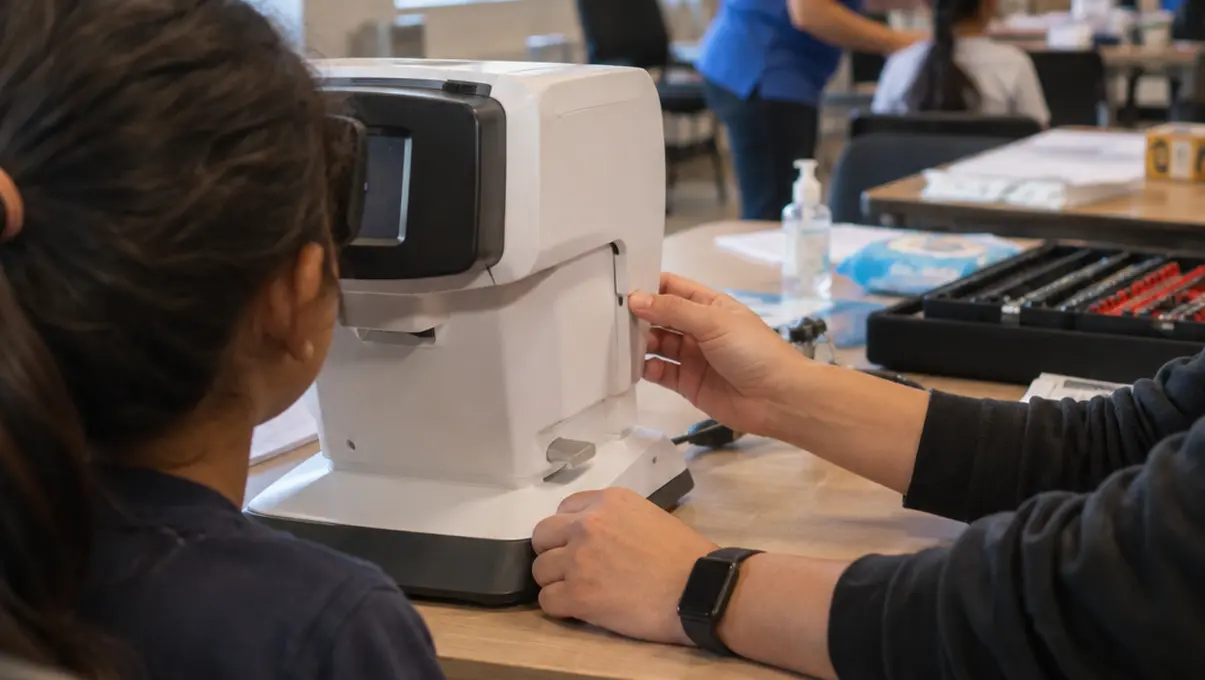
The Metro College Student Association organized a campus-wide event offering vision and hearing screening to children of student-parents, according to the supplied case summary. That is a concrete preventive care opportunity: families could bring children to a setting already connected to their daily lives.
An organized screening event establishes access to an initial check. It does not, on its own, establish that a child attended a follow-up appointment or experienced a lasting health benefit. This assessment examines the access, coordination, result handoff and resource records that would make the event understandable to families and repeatable for organizers. The summary supplies no participant-level outcomes or follow-up records, so claims about subsequent care remain open questions.
Why a Campus Event Could Reach Student-Parent Families
A parent moving between class, work and childcare may find a campus screening easier to attend than an appointment requiring a separate trip. Location alone cannot settle the access question. The event still needs hours that fit teaching schedules, a workable route for bringing a child onto campus and enough capacity for families who arrive.
The case summary describes the event as campus-wide. That describes its scope, not the proportion of eligible families it reached. A useful account would record how student-parents learned about it, when screening slots were available and whether anyone was turned away because the queue closed, consent was unavailable or the screening equipment did not suit the child’s age.
Even a sign-in log needs context. At a staffed entrance, it can document arrivals. At an open concourse table, it records families who stopped; it cannot count those who passed by. Pairing arrival records with the event timetable and outreach materials would give future organizers a firmer basis for choosing hours and locations.
How the Student Association Had to Coordinate the Screening
The association organized the event and formed community partnerships, the summary says. It does not identify those partners or assign them responsibilities. The planning tasks below describe what a children’s screening event requires; they are not a reconstruction of work the association is documented to have done.
Organizers need an accessible room, a way to manage arrival times and communication that tells guardians what the screening covers. Qualified screeners need age-appropriate vision and hearing equipment. A hearing station needs a quiet setting, while the vision setup needs suitable space and lighting for the method in use. Families also need a private route from screening to an explanation of results.
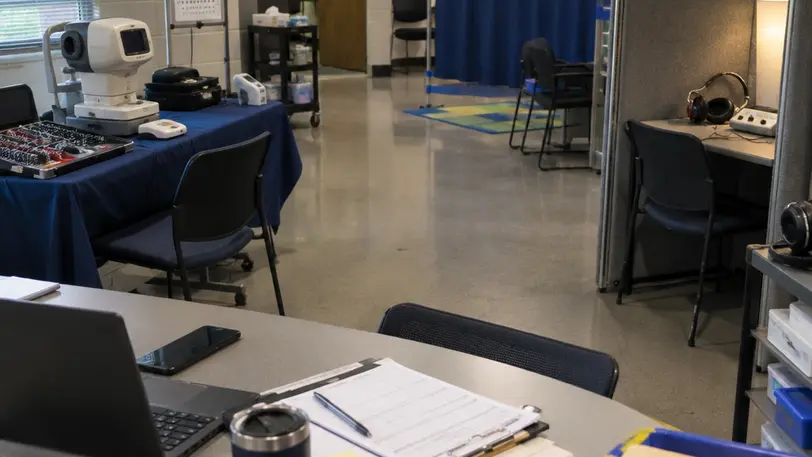
An accountable event file would name who checked screener qualifications, held the room booking and schedule, collected guardian consent and prepared referral information. Equipment checks and the permitted age range for each screening method belong in that file too. Those assignments matter when a family later asks who can explain a result or replace a lost referral slip.
The Path from a Screening Result to a Family’s Next Appointment
A screening result is an initial check, not a diagnosis. If a child receives a result calling for further assessment, a parent or guardian needs a plain-language explanation of what was checked and which professional to contact. A vision referral points toward an eye care professional; a hearing referral may call for an audiologist or the child’s primary care clinician.
That conversation belongs out of earshot of the queue. At a private handoff, the screener can explain the result, give the guardian a written next step and answer immediate questions. The written slip should identify the screening area, describe the result without diagnosing a condition and state the recommended follow-up route and timeframe set by the screening team.
If organizers want to check later whether a family obtained care, they should ask permission before making contact. The consent form should make that choice explicit and specify how contact would occur. Families who decline still receive their result and referral information. Any retained copy of a result needs the same deliberate approach to permission and secure storage.
A referral slip crossing the table is a documentable event. An eye examination or audiologic evaluation afterward requires separate confirmation. The summary refers to long-term benefits, but supplies no follow-up record that would establish completed appointments or subsequent care.
What the Reported Event Can—and Cannot, Show About Impact
Impact claims become clearer when each one sits beside the record that could support it:
- Event delivery: a dated room booking and event log can establish when the screening took place.
- Screening activity: de-identified records can show how many children received each check and the results recorded for each modality.
- Referrals offered: a count of written referral slips can show how many families received a next step.
- Referrals completed: confirmations obtained with guardian permission can show whether an appointment occurred.
- Later health outcomes: these require clinical information beyond what an event organizer ordinarily holds.
The supplied summary includes no event date, participation total, screening findings, referral-slip count, completed-referral record or measured long-term outcome. It supports the association’s reported organizing role and the existence of a campus screening opportunity. It cannot turn the association’s account of family benefits into an independently verified health finding.
The distinction also protects families from an overly simple interpretation of a screening tally. A referral is a prompt for further assessment, while a pass records the result of a particular screening check. Neither entry describes a child’s full clinical picture.
Where Campus Time, Space and Screening Resources Went
A resource account should show what made the event possible before it assigns a price to anything. For this screening, the useful categories are association planning, room and facilities use, family outreach, screening personnel and equipment, result materials and communication, and referral follow-up and record keeping.
The summary supplies no budget, volunteer log, grant record or description of in-kind support. A credible account would draw on room bookings for space used, role and time logs for volunteer work, equipment loan records for borrowed tools, invoices for purchases, and written records for donated goods or services. Paid expenditure and donated support should appear separately so readers can see what a repeat event would need to obtain again.
Community partnerships are reported, but no organization or contribution is identified. An acknowledgement should therefore wait for a verifiable role, such as providing space, screening personnel or outreach support. That restraint makes the eventual resource account more useful to the next student association planning family health programs.
A Practical Check Before Repeating the Student-Parent Screening
For a future event, settle the handoff before publishing the invitation. A short preparation check can keep access, clinical boundaries and privacy in the same plan:
- Confirm screeners’ qualifications and supervision, and document equipment checks.
- Compare event hours with the current teaching timetable and confirm an accessible location.
- Prepare guardian consent, including a separate choice about later contact.
- Identify a private place to explain results and prepare written referral instructions.
- Choose a de-identified way to record screening results, with a secure method for any consented follow-up.
Each proposed success measure needs a matching source. Use a dated arrival log to describe reach, station tallies to describe screenings delivered, and de-identified result records to describe screening outcomes. Count referral slips to describe referrals offered. Report completed referrals only when permitted follow-up records confirm them. Use booking records, work logs and purchase or donation records to describe resources.
These are recommendations for a repeat event, not procedures attributed to the Metro College Student Association. Before collecting children’s information, organizers should also decide who may access it and when it will be destroyed under the applicable campus records policy. A smaller record set with clear permissions is easier to use responsibly than a large file kept without a defined purpose.
What This AGFHA Assessment Reviewed
This assessment rests on the supplied case summary. It did not examine participant records, consent forms, screening tallies, referral slips, financial accounts or an independent evaluation. No review date for additional case documentation is available here.
That source boundary shapes every conclusion above. The reported event created an opportunity for preventive care for student-parent families. Its effects on referrals and later care remain unverified in the material supplied for this article.
Ask for the Screening Record That Families Can Use
The strongest next step is a concise, de-identified event account: when the screening ran, how many children received each check, what results were recorded by modality, how many referral slips were issued, what consented follow-up confirmed and which resources were paid for or donated. That request stays within the records an organizer could reasonably maintain while leaving clinical outcomes with the professionals who provide children’s care.
Before treating this event as a model for another campus, ask for that account.








Add a Comment