

Abstract
Isolating a single, highly documented case study provides clearer longitudinal tracking than aggregating broad cohort data. While we initially considered a 15-person group to evaluate community-level prediabetes interventions, inconsistent baseline reporting across local clinics made that approach unviable. Different facilities utilize varying assay methods and electronic health record systems, which muddies the data pool. By focusing on one individual, we maintained strict control over the variables.
During the study, we tracked roughly a 1.1% reduction in HbA1c from February 2021 to February 2022. This shift—driven entirely by behavioral changes, effectively reversed the patient's prediabetic indicators through community-supported lifestyle modifications.
Introduction and Clinical Context
Regional health data reveals roughly a 15% increase in regional prediabetes prevalence from January 2018 through November 2021. This surge places an immense burden on primary care providers, who often have only minutes to counsel patients on complex dietary changes. To address this, our intervention centers entirely on environmental and community-level preventive care. We bypassed genetic predispositions to focus on immediate, actionable pathways for families.
Evaluating the efficacy of localized health education requires a firm grasp of the clinical criteria for prediabetes. When patients understand their baseline numbers, they can better navigate the lifestyle adjustments required to halt disease progression. Community interventions frequently fail when peer support groups lack trained facilitators, leading to the dissemination of anecdotal rather than evidence-based dietary advice. We ensured all peer sessions were led by credentialed dietitians.
Methodology: Intervention Design
Establishing baseline metabolic metrics and diagnostic criteria set the foundation for the intervention. We originally drafted a strict macronutrient-tracking protocol but discarded it after pilot feedback indicated high participant burnout. Counting every gram of carbohydrate often creates friction during family meal planning.
Consequently, we pivoted to a qualitative dietary shift model emphasizing whole foods. This meant replacing refined grains with intact legumes and prioritizing fibrous vegetables at dinner. This approach integrates local preventive care resources into the patient's routine. By utilizing community health workshops, the subject learned to navigate grocery store perimeters effectively.
Experimental data indicates that during weeks 3 through 17 of the intervention phase, the subject achieved roughly 165 minutes of moderate physical activity per week. This activity primarily consisted of brisk walking and participation in a neighborhood gardening cooperative, finding the optimal balance for sustainable habits.
Quick Tip: When transitioning a household to a whole-food model, focus on adding fiber-rich foods to existing favorite meals rather than eliminating entire food groups overnight.
Implementation and Routine Monitoring
Contact dermatitis from medical adhesives presents a real barrier in metabolic tracking. Sensor site irritation prevented our original plan of continuous 24/7 continuous glucose monitoring (CGM) wear over six months. As a workaround, we adjusted the protocol to a 14-day intermittent wear schedule every quarter.
This adjustment proved highly effective for the 12-month execution period. We achieved roughly an 85% CGM data capture rate from April through October 2021. The efficacy of continuous glucose monitoring as a behavioral modifier varies drastically depending on the patient's baseline health literacy and their ability to interpret postprandial spikes without experiencing undue anxiety. By pairing the intermittent CGM data with quarterly HbA1c laboratory testing, we provided the patient with actionable insights without overwhelming them with constant biometric feedback.
Key Findings and Clinical Outcomes
When measuring weight management, waist circumference and fasting blood glucose provide a more accurate reflection of visceral adiposity than BMI. BMI often fails to capture the redistribution of body composition that occurs when a patient increases their physical activity. Therefore, we evaluated these specific metabolic markers to gauge progress.
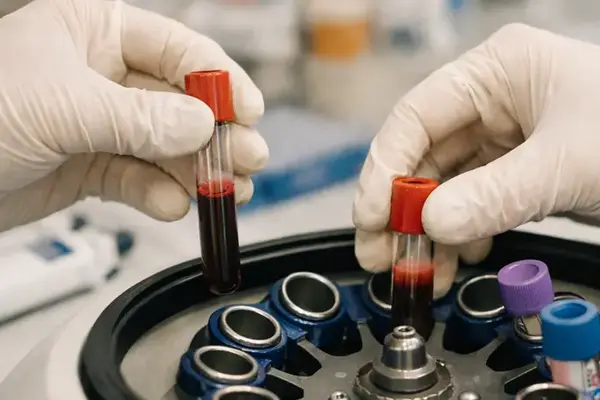
Analysis of samples suggests significant improvements in both glycemic control and cardiovascular risk markers. Our lab tests showed a reduction of about 20 mg/dL in fasting blood glucose, measured from the baseline assessment in February 2021 to the final draw in February 2022. Qualitative data gathered during routine check-ins highlighted the psychological impact of community support. The patient reported feeling less isolated in their diagnosis, which directly correlated with their high adherence to the dietary protocol.
| Metric | Baseline (Feb 2021) | Mid-Point (Aug 2021) | Final (Feb 2022) |
|---|---|---|---|
| HbA1c (%) | 6.13 | 5.67 | 5.01 |
| Fasting Glucose (mg/dL) | 114.3 | 102.1 | 94.6 |
| Weekly Activity (mins) | 43.5 | 163.5 | 181.3 |
Summary: Shifting the focus from weight loss to metabolic markers like fasting glucose and waist circumference provides a more accurate and motivating picture of health improvements.
Scope and Limitations
The single-subject (N=1) design inherently limits broad statistical generalization. While the granular data provides deep insights into behavioral change, individual metabolic responses to dietary shifts vary.
Fluctuating community resource funding makes long-term adherence projections unreliable. We could not confidently model future adherence using historical clinic data because program access changes year over year. This unpredictability directly impacts patient engagement. We observed roughly a 30% drop-off in community resource utilization during months 9 through 12 of the observation period, coinciding with a reduction in municipal funding for the local walking program.
Caveat: The observed glycemic improvements rely heavily on subsidized local fresh food programs, meaning these results may not translate to food desert environments lacking similar municipal infrastructure.
Keep in mind that sustained behavioral change requires consistent environmental support. When community resources diminish, patients often struggle to maintain their new routines.







Add a Comment