
Connect With Our Preventive Health Research Institute
Reach out to our team to discuss health education initiatives, research partnerships, or lab visitation guidelines.
How to Reach Our Health Education Team
Our health education team translates clinical findings into community-level preventive care programs. We handle inquiries related to curriculum development, community workshop facilitation, and public health resource distribution.
If you are organizing a local wellness initiative, we can provide evidence-based materials tailored to your demographic. We frequently partner with school districts and municipal health boards to structure long-term educational campaigns. These partnerships focus on actionable, daily health habits rather than broad theoretical concepts. Modular curriculum kits are available that educators can adapt for different age groups and cultural contexts.
Please note that we do not provide individual medical diagnoses or urgent clinical advice. Direct all program-related correspondence to our director.
Research Collaborations and PhD Opportunities
Preventive health requires cross-disciplinary data integration. We noticed early on that isolated departmental studies often missed critical socioeconomic variables affecting patient outcomes. Shifting to a collaborative consortium model allowed us to pool datasets with behavioral scientists and urban planners.
This structural change directly improved the predictive accuracy of our community health models. We actively seek joint grant applications and data-sharing agreements with aligned academic institutions. Prospective PhD candidates looking to integrate their thesis work with our ongoing longitudinal studies should submit a brief abstract of their proposed methodology. Proposals that address systemic barriers to preventive care access receive priority. Candidates are expected to secure their primary funding, though we occasionally offer supplemental stipends for projects directly aligning with our core focus areas.
Partnership Status: Operating within an ongoing multi-institution research consortium since 2021.
While our collaborative framework accelerates data collection, integration timelines depend heavily on the compatibility of partner institution ethics board requirements.
Facility and Lab Visitation Protocols
Maintaining strict data privacy and biological sample integrity creates inherent barriers to open facility access. Unrestricted lab tours compromise our controlled environments. A tiered visitation protocol accommodates external researchers without disrupting ongoing assays.
Tier one allows access to our data visualization hubs and seminar rooms. Tier two grants supervised entry to the active processing labs, requiring prior safety orientation and non-disclosure agreements.
This structured approach limits spontaneous peer interaction on the floor. The trade-off ensures our longitudinal samples remain uncontaminated and patient data stays secure. Submit visitation requests at least three weeks prior to your intended arrival date to allow for security clearance processing. Clearance requires a verified institutional affiliation and a brief statement of purpose for the visit.
Meet the Faces Behind Our Programs
The individuals driving our preventive health initiatives bring diverse backgrounds in epidemiology, biostatistics, and community outreach.
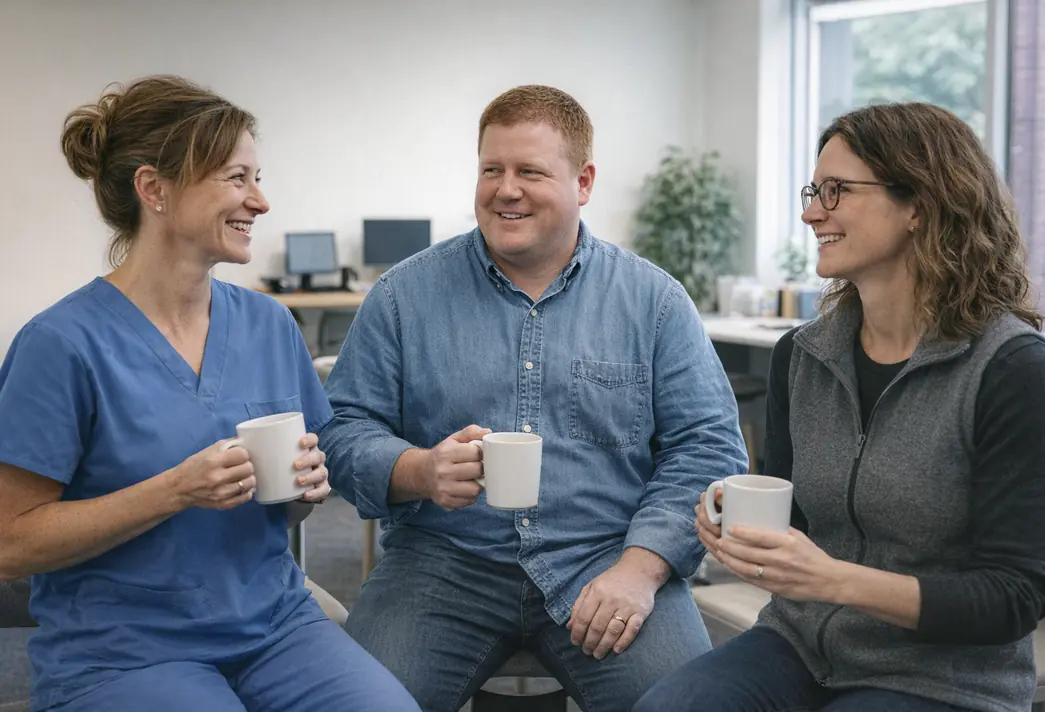
Our core investigators and program coordinators work closely to ensure research findings translate into actionable public health strategies. You will often find our staff splitting their time between data analysis in the lab and direct engagement in community centers. A flat organizational structure encourages junior researchers to pitch innovative outreach methods directly to senior staff.
Effective preventive care starts with accessible, transparent communication. Reach out to any of our department heads to learn more about specific ongoing projects.