
About AGFHA
Empowering families through preventive health education and community-driven wellness resources.
Championing Community Health and Preventive Care
We noticed a recurring pattern in local clinics: families arriving for treatment of conditions that were entirely preventable with early intervention. Reactive healthcare models address symptoms—preventive education builds resilience. By shifting resources toward early screening awareness and nutritional literacy, communities see a measurable drop in chronic childhood illnesses.
AGFHA focuses on this proactive approach. We develop curriculum-based materials that bridge the gap between clinical advice and daily household habits. Screenings for vision, hearing, and developmental milestones often fall through the cracks during standard pediatric visits. We prioritize these specific areas in our outreach.
Data gathered alongside regional health departments confirms that communities with active preventive care programs report fewer emergency room visits for asthma and diet-related complications.
Our Mission to Educate and Support Families
Health education means translating complex medical guidelines into actionable daily routines. Our mission centers on equipping parents and caregivers with practical tools to manage physical and mental well-being.
This takes the form of downloadable nutrition guides, immunization schedules, and mental health screening checklists. Standard advice works for many households. Families facing resource constraints require adapted strategies. We design our wellness programs to account for food deserts, limited clinic access, and varying health literacy levels.
Our resources section provides a direct pipeline to community support networks. When a family downloads a guide on managing seasonal allergies, they also receive localized information on air quality monitoring and accessible pharmacy programs.
Program Backing: Supported by a multi-year research collaboration with regional pediatric networks to ensure curriculum accuracy and cultural relevance.
The Experts Behind Our Health Resources
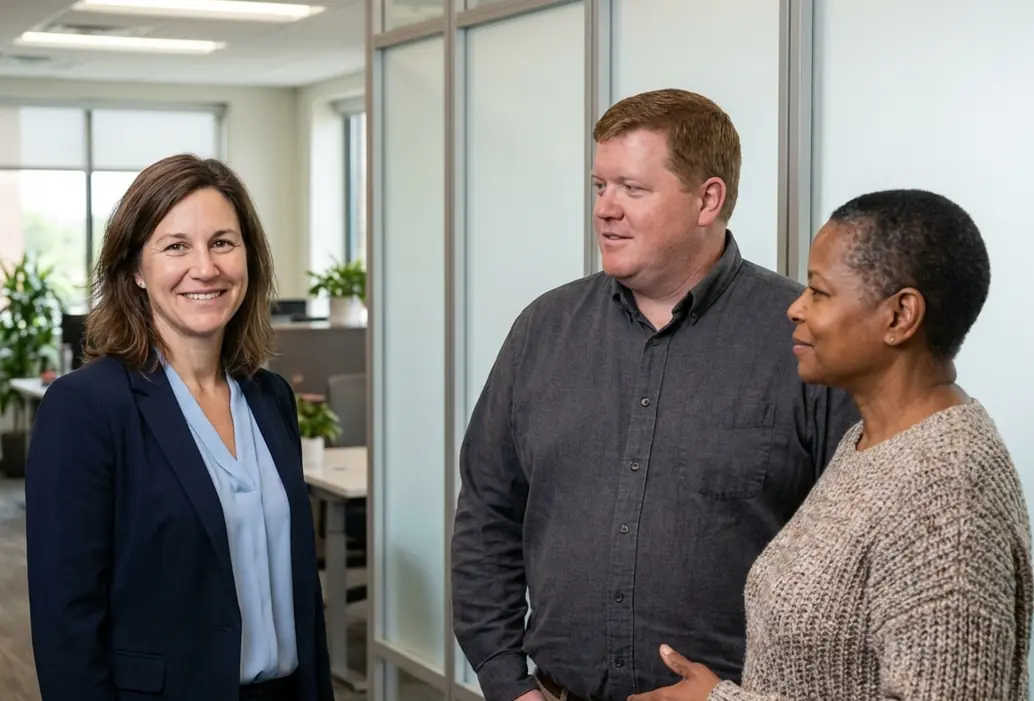
Developing accurate health curricula requires balancing clinical rigor with accessible language. Relying solely on medical practitioners often results in dense, unreadable materials. We built a multidisciplinary team of pediatricians, public health educators, and community outreach coordinators.
Our team operates across three primary disciplines: clinical review, educational design, and community implementation. A pediatrician verifies the medical accuracy of a new vaccination guide. An instructional designer formats the information for readability. Community coordinators then test the material in local workshops.
This collaborative review process extends our publication timelines, but the resulting resources achieve higher comprehension rates among caregivers. Our staff actively participates in local health programs, ensuring the materials we publish reflect the actual challenges families face in their neighborhoods.
Our Commitment to Reliable Health Education
Trust in health information dictates community adoption rates. We maintain strict editorial standards for all preventive care guides and program reports. Every piece of curriculum undergoes peer review by active public health professionals before distribution.
While our educational frameworks can meaningfully improve health literacy, they cannot replace individualized medical diagnoses from primary care providers. We continuously evaluate our outreach programs to measure long-term behavioral shifts rather than just immediate download metrics.
How do digital health resources impact offline family habits over a decade? That remains the central focus of our ongoing community health initiatives.